Saturday, September 7, 2013

Line

Alberto Giacometti

He uses more free lines to describe and then enhance the shapes and features he desires.

Walt Disney Mickey Mouse Action Sketches

He uses more elaborate lines where action is present to display Mickey throwing the ball.


Barnett Newman
He uses simple lines to separate shape from the solid color.


Wu Guanzhong
He uses a variety of lines from thick to thin and dark to light to give his painting more depth.


Tawaraya Sotatsu
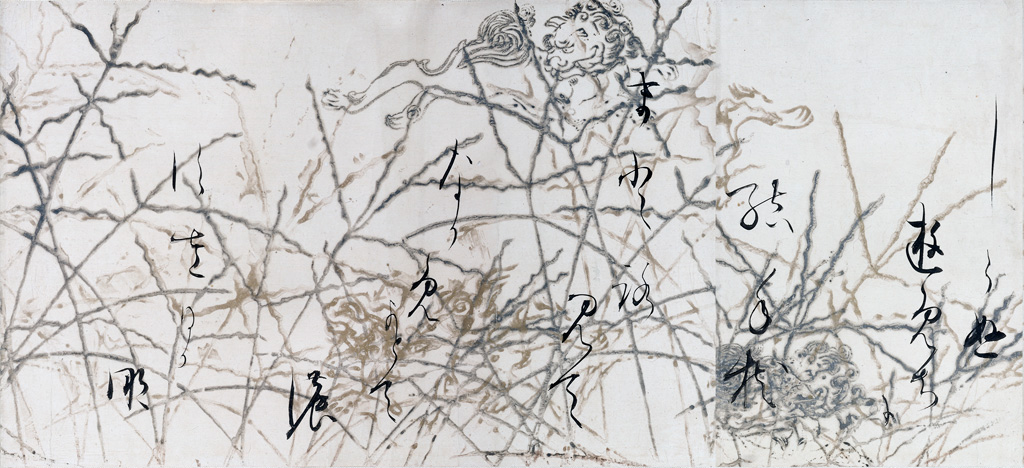
He uses straight and wavy lines to give the plants more movement and length.


David Mach
He uses lines to create a face and figure in the places where lines are more concentrated.


Michelangelo
He has soft strokes for lines to give a fluffy texture to the beard and give definition to the face and clothes.


Jackson Pollock
He uses a variety of lines to give a more abstract display and design.


Wednesday, December 19, 2012

The Shadow Knows


1.       The shape and outline of the object.
2.       It is the fundamental aspect of seeing an object. It also interacts with all our other perceptual responses in helping us make sense of our subjects.
3.       By seeing the color and volume of the object.

4.       You incorporate the different elements, such as color and volume, of the subject to give it the qualities of what it is.

5.       It gives the subject the different kinds of energy that it possesses.

6.       It allows you to define the object more and provide more of a dimension to it. You can use different strokes and texture to convey the different emotions of each material.

Vincent Van Gogh
A Pair of Shoes
Van Gogh's Chair
Shoes


Mother Nature Decoded


1. We can take a single stem from that bouquet and choose single trees from that forest to look at and find a way to draw. Looking at the flower will help us draw the proportions of the plant much more easily than concentrating on each part of the plant as we come to it.
2. Looking at the flower will help us draw the proportions of the plant much more easily than concentrating on each part of the plant as we come to it.
3. The basic growing directions will help show the essence of the object and how they affect the painting and plant as a whole. If you start each observation of a subject by deciding what is most important to its character, you will know where to begin your drawing and how to proceed.

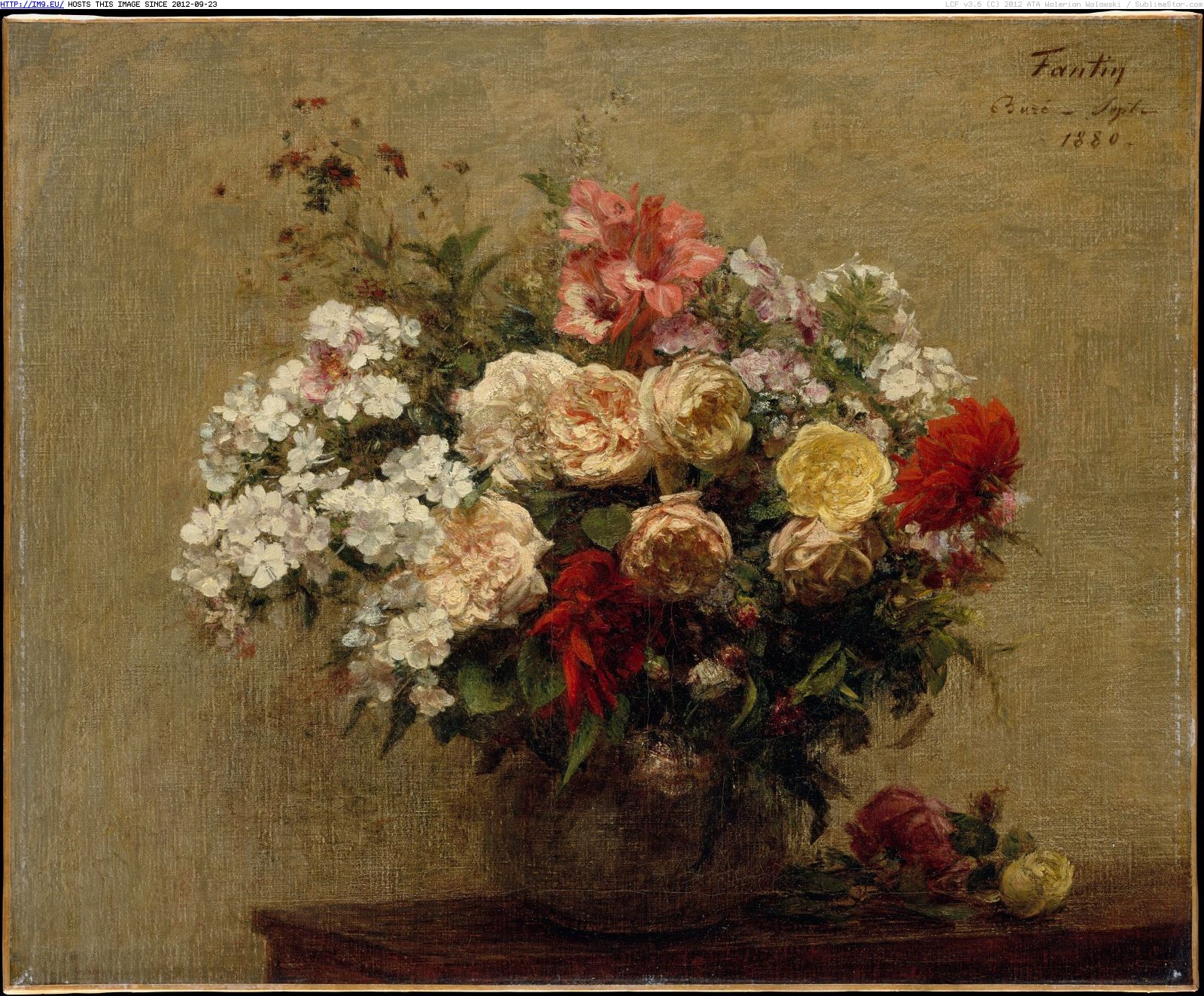
Henri Fantin-Latour
Stll Life with Flower
Summer Flowers
Roses in a Bowl

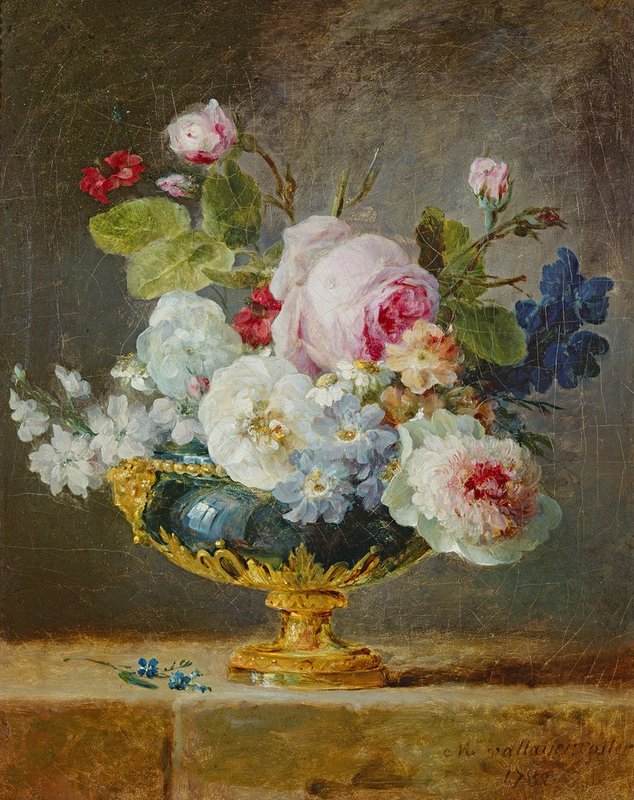
Anne Vallayer-Coster
Bouquet of Flowers in a Terracotta Vase, with Peaches and Grapes
Flowers in a blue vase
Study Of A Bouquet Of Gilly Flowers

Sunday, December 16, 2012

The Beagle Vanishes

De Chirico
Gare Montparnasse
De Chirico
The Disquieting Muses
De Chirico
Piazza d'Italia

Sunday, November 11, 2012

Concentration Idea


1.   What is the central idea of your concentration?
My central idea is to make a story of "first love" with my artwork. This would be mostly at high school ages even though at that age they are still naive about what the true meaning of love is, but it is because of the naivety that they would represent first love well. They would bring love to its purest. First love is a very beautiful thing to come across and everyone will come across this feeling someday in their life. I find it able to relate to many people.

2.   How will the work in your concentration demonstrate the exploration of your idea?
I'd have different drawings of the beginning, middle, and end of the love. At first they won't know each other, but later on in my drawings, I'd show their developments in their love and then it'd end sadly with their separation.

Sunday, November 4, 2012

Hatching the Pot

1. Lines are enormously useful in describing all kinds of bulging, rolling, bumpy subjects.
2. Since the light is coming from the right and slightly in front of the pot, the shadow on the outside of the pot falls on the left, but the shadow on the inside of the pot is on the right.
3. Curved lines help us feel out the pot’s roundness and because the subtlety of making those lines is a way for us to engage the sensuousness of our reflexes.
                                                                    Giorgio Morandi
Conor Walton
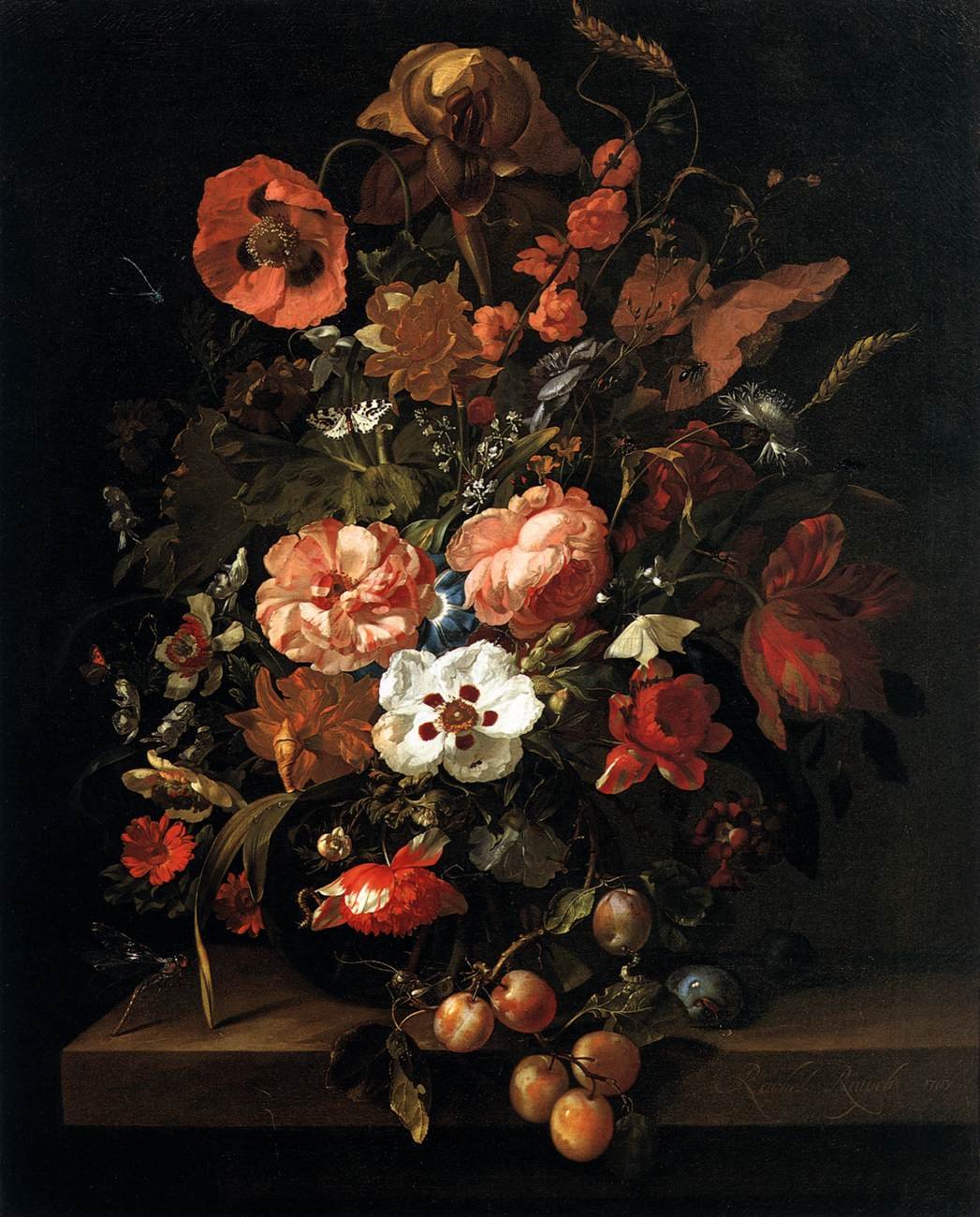
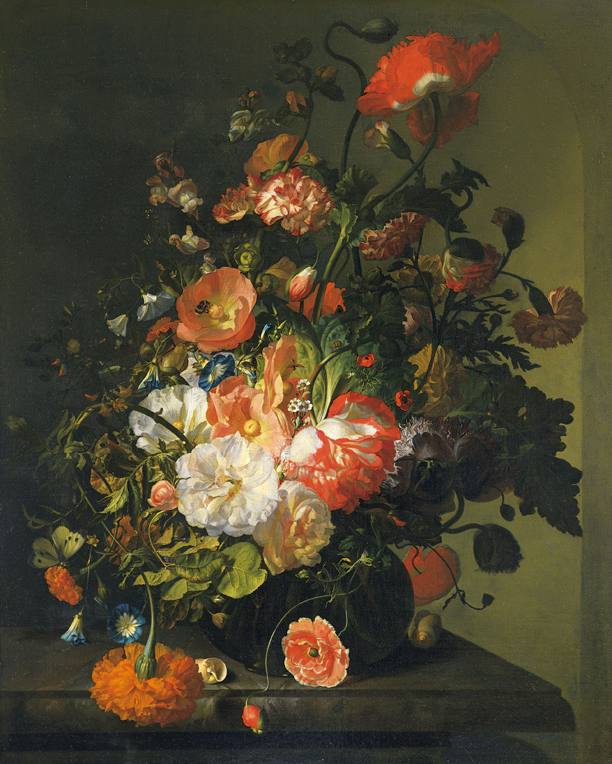
Rachel Ruysch
Harmen Steenwyck
Paul Cezanne

Jan Davidsz de Heem


Thursday, November 1, 2012

Frisbee Of Art

1. The red circle was what Giotta painted for Pope Boniface VIII when he was looking for an artist. It's often referred as the ultimate test of drawing.
2. The ellipse is seen everywhere in the world. It's is usually unseen. It represents an imagined space.