Sunday, November 11, 2012

Concentration Idea


1.   What is the central idea of your concentration?
My central idea is to make a story of "first love" with my artwork. This would be mostly at high school ages even though at that age they are still naive about what the true meaning of love is, but it is because of the naivety that they would represent first love well. They would bring love to its purest. First love is a very beautiful thing to come across and everyone will come across this feeling someday in their life. I find it able to relate to many people.

2.   How will the work in your concentration demonstrate the exploration of your idea?
I'd have different drawings of the beginning, middle, and end of the love. At first they won't know each other, but later on in my drawings, I'd show their developments in their love and then it'd end sadly with their separation.

Sunday, November 4, 2012

Hatching the Pot

1. Lines are enormously useful in describing all kinds of bulging, rolling, bumpy subjects.
2. Since the light is coming from the right and slightly in front of the pot, the shadow on the outside of the pot falls on the left, but the shadow on the inside of the pot is on the right.
3. Curved lines help us feel out the pot’s roundness and because the subtlety of making those lines is a way for us to engage the sensuousness of our reflexes.
                                                                    Giorgio Morandi
Conor Walton
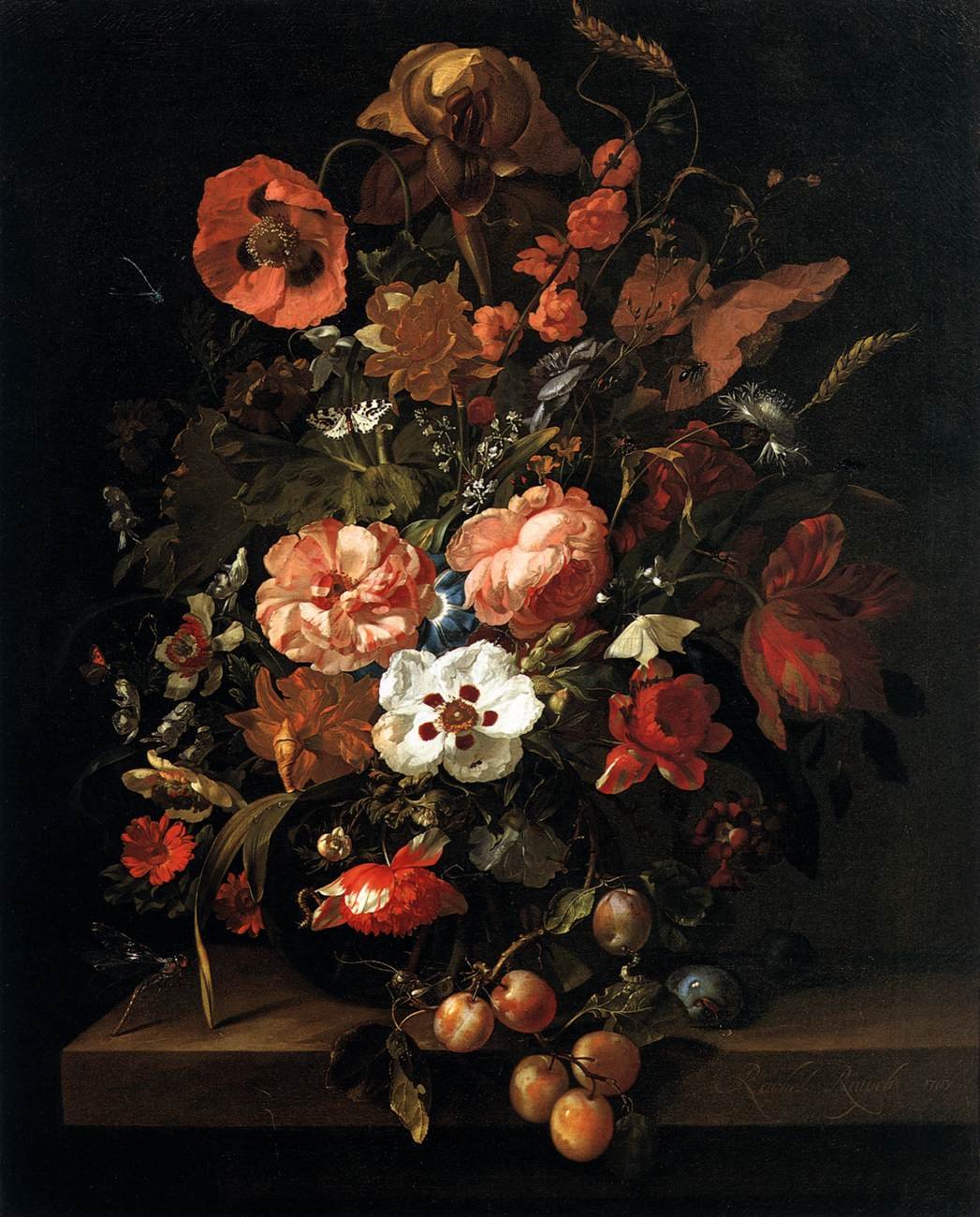
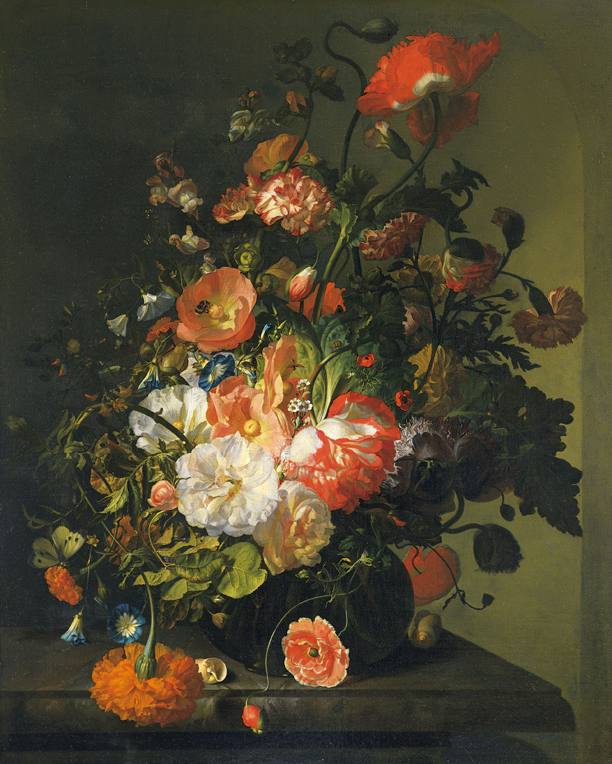
Rachel Ruysch
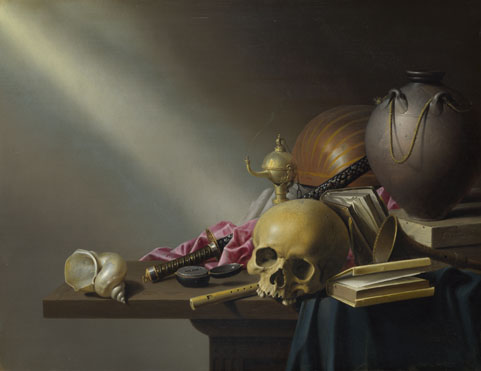
Harmen Steenwyck
Paul Cezanne

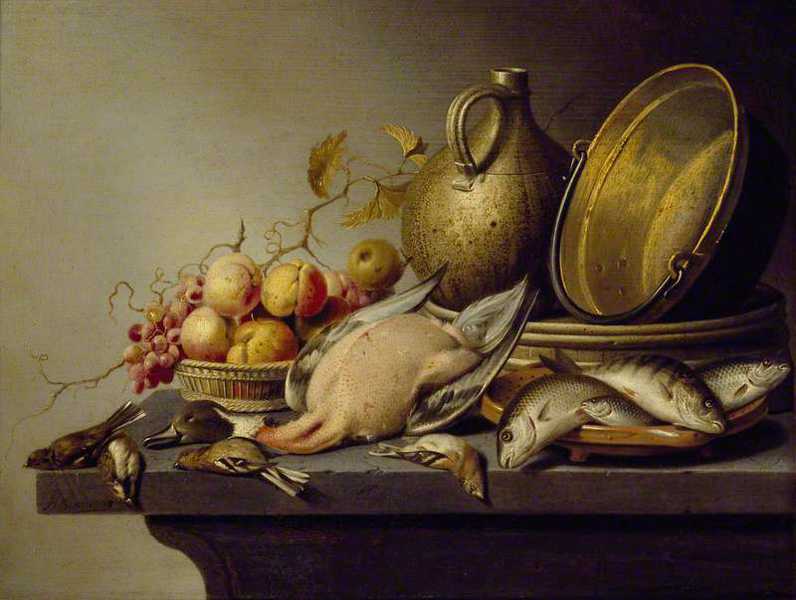
Jan Davidsz de Heem


Thursday, November 1, 2012

Frisbee Of Art

1. The red circle was what Giotta painted for Pope Boniface VIII when he was looking for an artist. It's often referred as the ultimate test of drawing.
2. The ellipse is seen everywhere in the world. It's is usually unseen. It represents an imagined space.

Wednesday, October 31, 2012

Line by Line: Phantom Skill

1. He calls drawing a phantom skill because it's something that we remember having in elementary school where they enjoyed it and drew with great abandon.
2. Seeing the structural logic of the object or figure you are drawing helps improve your drawing skills.
3. Strengthening the link between your eyes and hand helps you make the intended drawing marks. You can do this by practicing your hand-eye coordination

Sunday, October 14, 2012

Art & Fear

Introduction

  1. Some of my personal fears is that my artwork won't be like-able to the audience or it will never be good enough for anything. When I try new mediums, I feel scared to use them because it might mess up my drawing.
Part I

Chapter I


  1. The face of uncertainty means that we'd be making our artwork with the lies of our feelings. Our artwork would not hold things true, but with only what the viewers would like to see.
  2. It makes me feel like my artwork would feel unworthy for the people's eyes, but it would represent me much better than trying to impress them.
  3. Art is made by ordinary people: Every single day, art is being created by the normal people of the world. They may not know it or their art may not seem like art, but it is still art. I'm not really special in anything. If art is made by ordinary people, like me, then I feel like art made by me is really special because I'd be putting 100% more effort in it than the other people.
  4. Labeling myself as an artist makes me feel like I am my own person. However, when labeling myself, I also feel like I am just an artist that has yet to soar.
  5. I think labeling myself makes people think I'm special in that field. They might think I'm very skilled as an artist.
  6. "My role in society, or any artist's or poet's role, is to try and express what we all feel. Not to tell people how to feel. Not as a preacher, not as a leader, but as a reflection of us all." "Every artist dips his brush in his own soul, and paints his own nature into his pictures." "An artist is not paid for his labor but for his vision." "An artist never really finishes his work, he merely abandons it." "Art enables us to find ourselves and lose ourselves at the same time." 

Sunday, September 16, 2012

Conte Artists

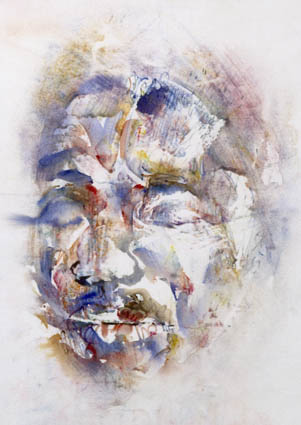
Nelson Mandela by Louis le Brocquy
Au Concert Europeen by Georges Seurat
The Sheepfold, Moonlight by Jean-Francois Millet
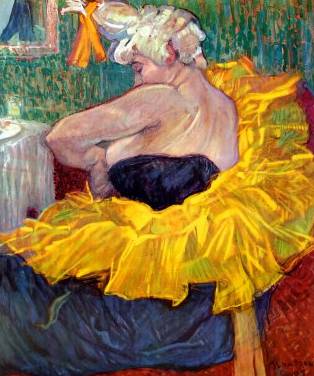
The Lady Clown by Henri Toulouse-Lautrec